
When families begin speech therapy, one of the most common questions is: “How long will it take for my child to start talking?”
It’s a very understandable question. Parents want to know that the time, energy, and resources they are investing will help their child communicate more easily.
Let me be clear here: progress in speech therapy often doesn’t happen all at once. Instead, it tends to happen through many small steps that gradually build over time.
I would argue that these small moments, the “little wins”, are often the most important signs that communication is growing.
Progress Often Starts Small
In the early stages of therapy, progress might look different than parents expect.
Instead of immediately hearing new words or sentences, families may notice changes such as:
increased eye contact or joint attention
producing a target sound in isolation
more engagement during play
attempts to imitate sounds or gestures
pointing, reaching, or bringing items to communicate
increased interest in interacting with others
These early skills are foundational for communication. They help build the interaction, attention, and shared understanding that language grows from.
Communication Is More Than Words
It’s important to remember that communication is not limited to spoken language.
Children communicate through many different methods, including:
gestures
facial expressions
sounds and vocalizations
sign language
AAC (Augmentative and Alternative Communication) picture boards or high-tech devices
All of these forms of communication are meaningful and valuable. When children learn that their attempts to communicate are understood and responded to, they become more motivated to continue communicating.
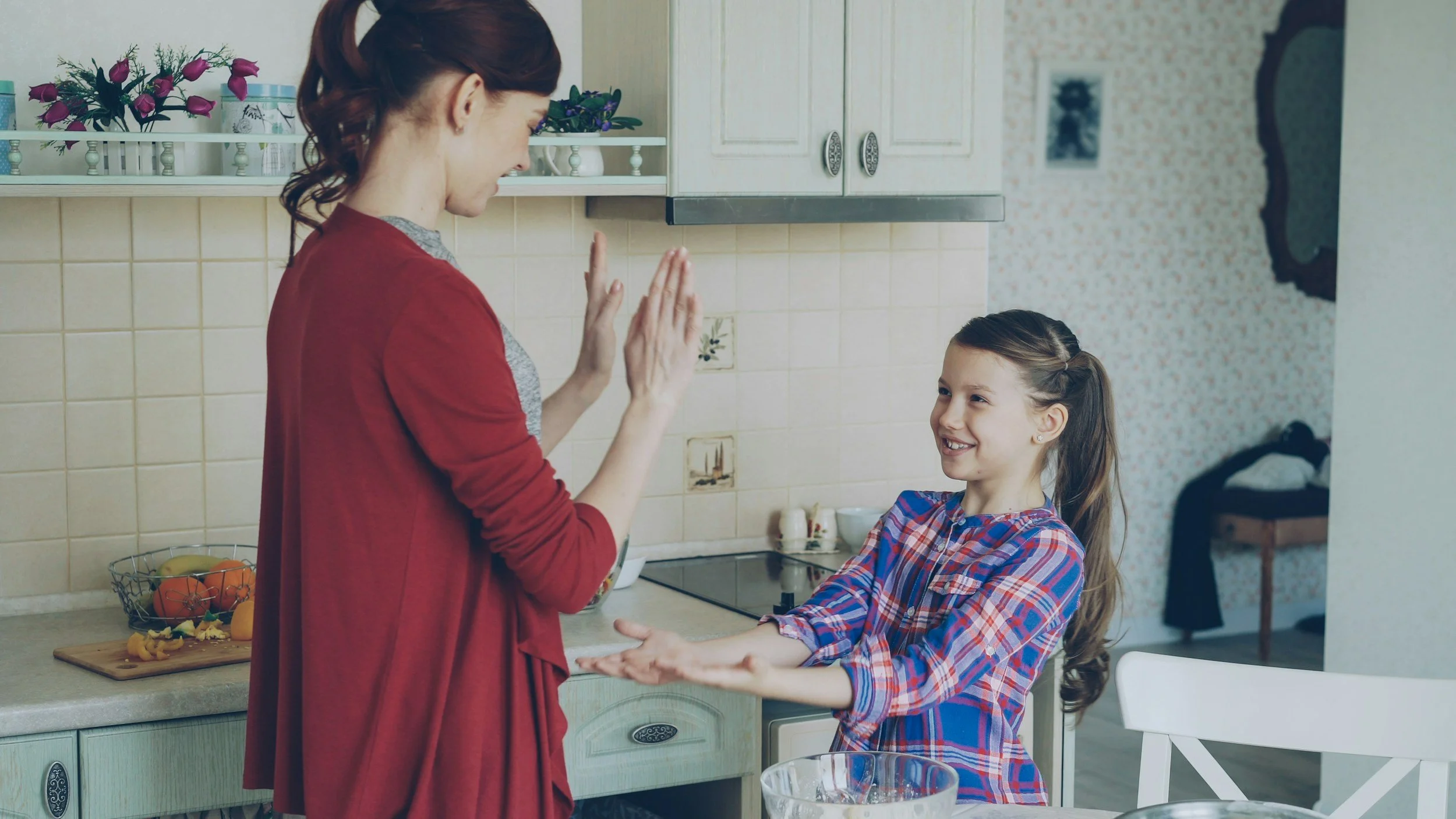
The Power of Small Wins
During speech therapy, progress might look like:
a child pointing instead of crying
a new sound emerging during play
a child imitating a gesture
using a new core word on an AAC device
taking turns during a game
combining two words for the first time
To an outside observer, these moments may seem small. But in reality, they represent important developmental steps that support future language growth.
Each small win helps strengthen the communication system your child is building.
Consistency Matters
Language development happens through repeated opportunities to interact and communicate.
When children experience consistent support, through therapy sessions, caregiver involvement, and everyday communication opportunities, those small steps can begin to connect.
Over time, families often notice that skills start building more quickly.
When Language Growth “Clicks”
Many families describe a moment when it feels like their child’s language suddenly begins to grow much faster.
What looks like a sudden “language explosion” is often the result of many small building blocks that were developed over time.
The child has been learning how communication works: how to take turns, how to share attention, how to imitate, and how words connect to meaning.
Once those foundations are in place, language can begin expanding rapidly.
Celebrating Progress Along the Way
Speech therapy is not just about reaching a final goal. It’s about supporting each step of the communication journey.
By recognizing and celebrating small moments of progress, families can better see the growth that is happening along the way.
Those small wins matter. Over time, they often lead to meaningful, lasting communication development.
If you are wondering whether speech therapy might support your child’s communication development, I offer free initial consultations for families in New Jersey considering in-home speech therapy services.